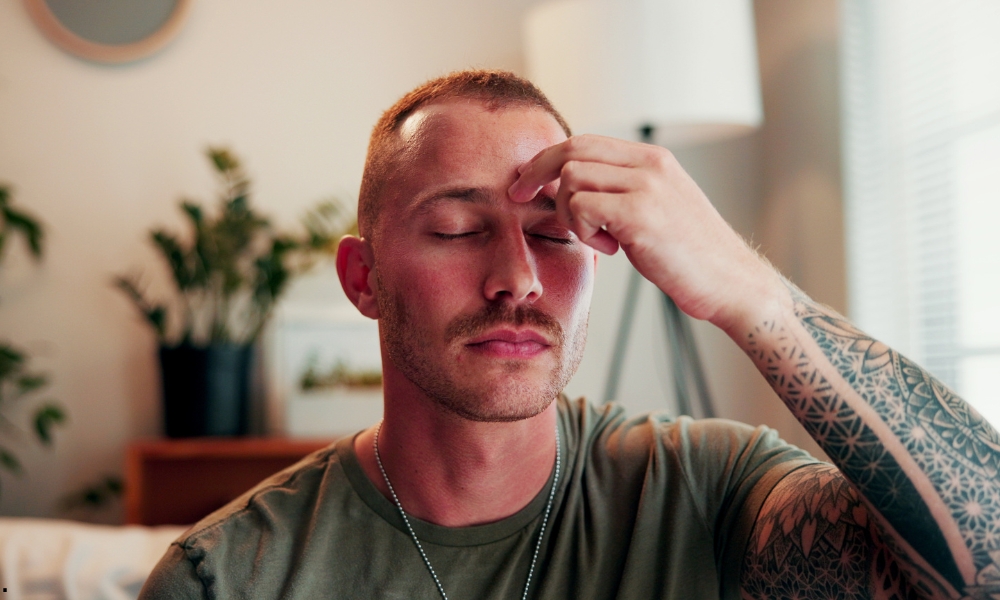
Veteran PTSD treatment embraces both the mental and physical impacts of military life. Post-traumatic stress disorder (PTSD) in veterans is a condition caused by involvement in highly stressful or life-threatening events during combat or military service.
Common PTSD symptoms include flashbacks, heightened stress or anxiety, difficulties sleeping, and negative thoughts and feelings. These symptoms make daily life difficult after service has ended. Understanding alternative therapies and their role in recovery gives veterans the chance to regain control of their lives.
1. Acupuncture
Acupuncture is a highly effective treatment that promotes relaxation and regulates stress responses. Animal studies have demonstrated that acupuncture plays a role in reducing common PTSD symptoms, including anxiety, depression, and fear. Improved sleep and memory are additional reported benefits.
Acupuncture is a particularly effective treatment for veterans with severe combat-related PTSD, as it helps control the fear response to unpleasant stimuli. This is a key part of treating anxiety or other mental health challenges caused by military service or other traumatic events.
Psychological and pharmaceutical treatments tend to be used in tandem to treat PTSD symptoms. However, these types of treatments tend to be both time-consuming and costly, and lead to a high number of dropouts and low cure rates. Research indicates that the limitations of current popular treatment schedules mean that finding simple, relatively inexpensive, and effective treatment is urgent for PTSD sufferers. This is where acupuncture comes into its own.
Clinic for Pain and Anxiety in Beverly Hills is a leading provider of restorative acupuncture services for veterans suffering from PTSD. Expert and compassionate staff use clinically-proven techniques to minimize the impact suffered by ex-service members on their path back to wellness. Their holistic approach to treating both physical pain and mental health struggles has already transformed the lives of veterans in the aftermath of their service.
2. Cognitive Processing Therapy
Cognitive processing therapy (CPT) is a highly specialized type of talk therapy. It’s a readily available treatment in most VA services for service members suffering from PTSD. CPT teaches veterans strategies to evaluate and reassess negative thought patterns related to their trauma. This academic approach to trauma helps reframe events in a way that allows individuals to live with their past experiences and move on from them.
CPT typically involves around 12 weekly sessions. However, the strategies veterans learn take the benefits beyond the treatment period. Group therapies are also useful for connecting veterans with others who have lived similar experiences. One potential stumbling block is that veterans must be open to reliving their trauma and talking about it with other people. This aspect is challenging for some who find it difficult to speak openly.
3. Prolonged Exposure
Prolonged exposure (PE) is an individual therapy for PTSD in which veterans gradually address trauma-related feelings and memories. It offers a way to process traumas that are often put to one side or avoided altogether. Bringing these experiences to the fore is key to recovery as it helps individuals face their fears and leave them in the past.
PE has been associated with a decrease in PTSD symptoms and helps trauma victims regain control of their lives. The individual nature of this type of treatment is also appealing to many who feel uncomfortable sharing details of their experiences in group sessions, or who benefit from more focused treatment.
4. Eye Movement Desensitization
Eye Movement Desensitization and Reprocessing (EMDR) therapy is one of the most effective treatment options for treating PTSD-related depression. Complementary therapies like EMDR are particularly important for treating depression, as 20-30 percent of all patients don’t respond to treatments solely centered around medication.
EMDR is another individual therapy that focuses on reprocessing the memory of a distressing event. This is important as traumatic memories are often stored differently in the brain from regular memories, making them more difficult to process and make sense of. Properly processing these memories helps veterans heal from their trauma.
Veterans learn effective coping strategies before focusing on the memory they wish to reframe. The aim of the treatment is to replace negative feelings with something more positive.
5. Mindfulness and Yoga
Mindfulness and yoga are recommended strategies for managing hyperarousal and physical tension associated with PTSD. Neither mindfulness nor yoga will cure PTSD. However, integrating these two practices into your week is a great way to take a temporary step out of your hectic routine and give your mind and body a well-deserved rest.
Applying techniques learned in your sessions, like deep breathing and personal reflection, into your everyday life also helps lower tension in critical moments where stress can take over.
Other Useful Veteran PTSD Treatments at a Glance
Research if the following PTSD treatments are offered in your area:
- Cognitive behavioral conjoint therapy: Addresses how PTSD impacts personal relationships. This includes partners or family members in the treatment process.
- Virtual reality exposure therapy: This pioneering approach allows veterans to revisit traumatic events in a controlled virtual environment. This helps them process their experiences with a therapist.
- Group therapy: Safe spaces to connect with others who have lived similar experiences. This fosters mutual understanding and becomes an invaluable support network for veterans.
We have a separate article covering equine therapy for PTSD treatment if you or the veteran in your life enjoys working with animals.
FAQs
What are the symptoms of veteran PTSD?
PTSD symptoms vary from person to person. They include disturbing thoughts, feelings, or dreams related to a traumatic event or period, mental or physical distress, insomnia, and notable changes in how a person thinks, feels, and behaves.
Are medications necessary for treating PTSD?
Pharmaceuticals are helpful for managing symptoms like severe anxiety or depression in some cases. However, many veterans benefit most from combining mental health services or therapies like acupuncture with medications. There are currently only two FDA-approved medications for PTSD. These are the selective serotonin reuptake inhibitors (SSRIs) sertraline and paroxetine.
Which complementary and integrative health practices are included in veteran benefits?
Eight CIH practices are included in veteran benefits: acupuncture, biofeedback, clinical hypnosis, massage therapy, meditation, guided imagery, tai chi/qigong, and yoga. The Veterans Crisis Line also offers 24/7 support.
Embrace Complementary Therapies on Your Journey to Wellness
Effective veteran PTSD treatment requires a multi-faceted approach that addresses trauma’s psychological and physical effects. Complementary treatment options like acupuncture are gaining recognition for their ability to support emotional regulation without heavy reliance on medication.
Acupuncture offers a gentle yet powerful path toward healing by calming the nervous system and restoring balance in the body. It plays a significant role in long-term recovery and helps veterans regain a sense of control, resilience, and overall well-being.